
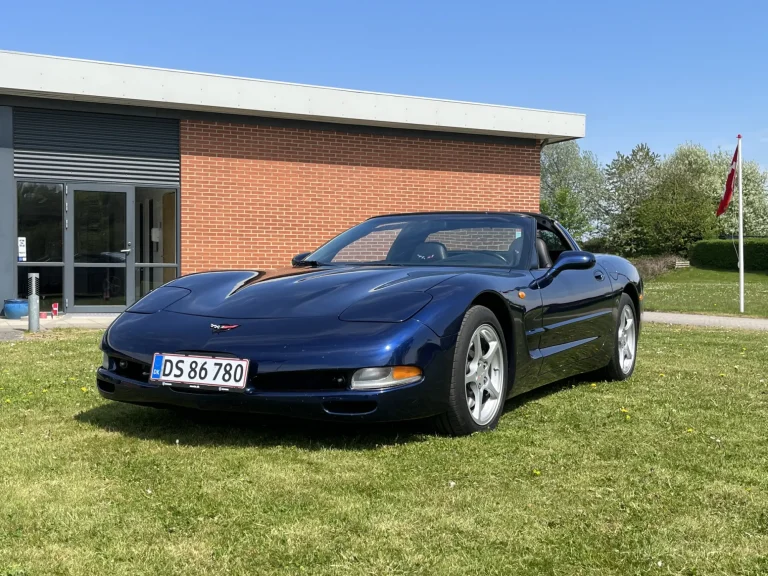
The Blue-Collar Supercar Revolution
Why the Corvette C5 Was a Massive Engineering Leap Forward
When the fifth-generation American sports icon debuted in the late nineties, it didn’t just iterate on the past—it completely revolutionized its own architecture. For years, the lineup was criticized for rough ride quality and interior rattles, but this clean-sheet redesign silenced critics globally.
Engineers threw out the old blueprints to create an advanced platform capable of challenging the absolute best exotic machinery coming out of Europe, all while keeping the vehicle accessible to the everyday enthusiast.
Hydroforming and the Transaxle Shift
The foundational breakthrough of the chassis was the introduction of a hydroformed perimeter frame box. This manufacturing method used high-pressure liquid to shape steel tubes without welding them, creating an incredibly rigid structure that completely eliminated chassis flex.
To complement this stiff new backbone, engineers made a radical change to the drivetrain layout:
- The transmission was moved to the rear of the car, creating an integrated rear transaxle.
- This transaxle was connected to the front engine via a robust torque tube, achieving a perfect 50-50 front-to-rear weight distribution.
This balanced layout transformed the vehicle from a straight-line muscle machine into a precise, predictable track weapon that handled transitions with absolute composure.
The Birth of the Legendary LS1
Under the long, composite hood sat the debut of a legendary powerplant: the all-aluminum LS1 V8 engine. Ditching heavy iron blocks saved massive weight over the front nose, while a new drive-by-wire throttle system sharpened engine response.
The engineering team even utilized innovative materials inside the cabin structure, sandwiching lightweight balsa wood into the composite floorboards to provide excellent structural stiffness and natural sound deadening without adding heavy insulation.
The Verdict: A Modern Performance Bargain
The fifth generation remains one of the most significant milestones in the nameplate’s long history. It established the modern blueprint of utilizing advanced material sciences to democratize supercar-level performance.
Whether in standard coupe form or the hard-core, track-honed track variants, it stands as a legendary engineering achievement that continues to offer unparalleled performance-per-dollar value on the global market.